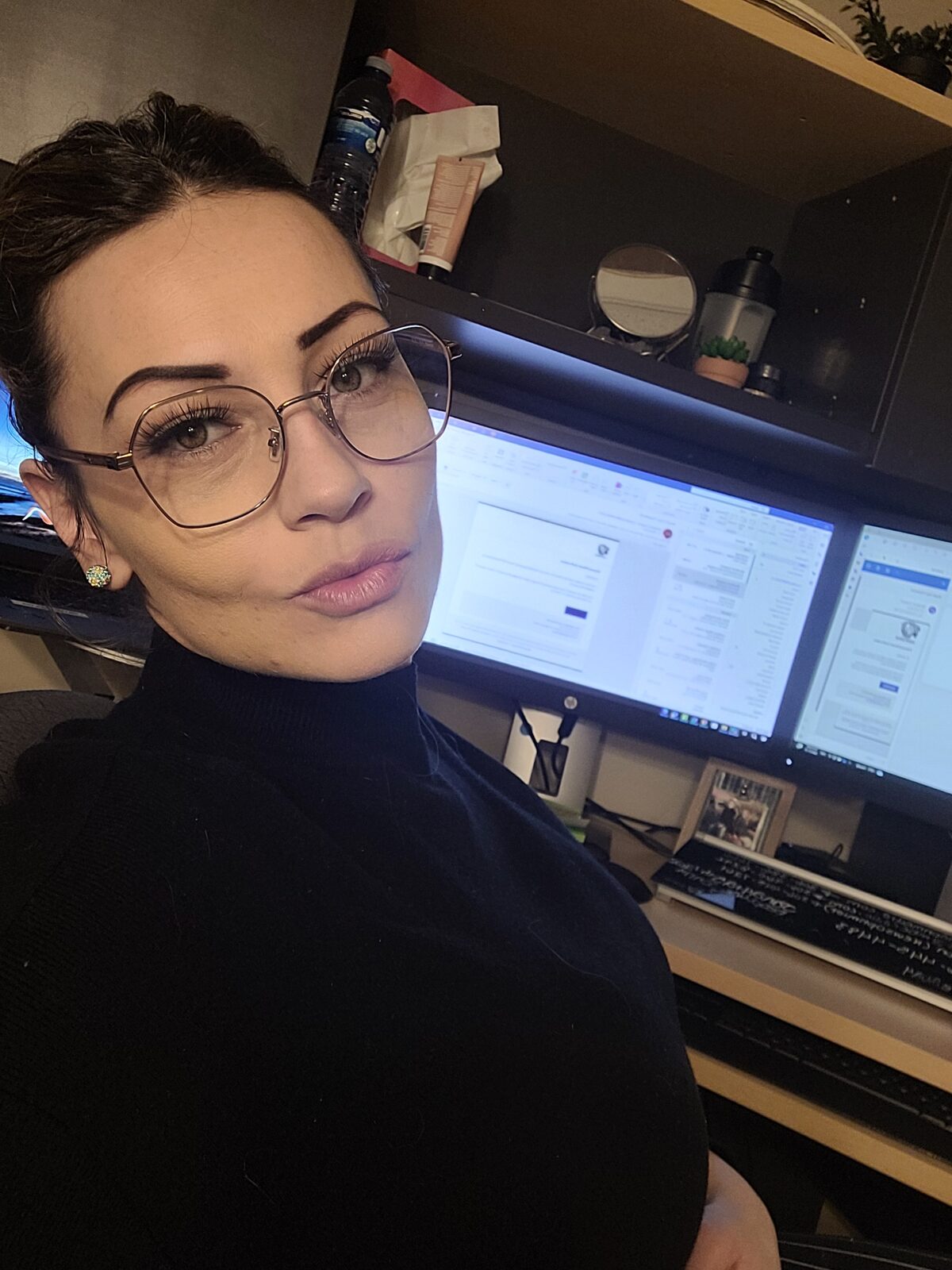
For years I sat on the other side of the desk. My title was Communications and Engagement Officer, and my job — the actual job, underneath the reports and the campaigns — was to connect people with the information, programs and services they needed to live healthier lives.
I was good at it. I worked with diverse communities to reduce barriers, to build access, to make sure that the person who needed a service could find it, understand it, afford it and get to it. I believed then and I believe now that most of health is logistics: whether a thing is reachable by the person who needs it.
The pattern I couldn't unsee
But sitting in that seat long enough, you notice something uncomfortable. We would remove barrier after barrier — cost, distance, language, awareness, childcare — and still, some people would not walk through the door. Not because they didn't want to. Because somewhere along the way they had stopped believing the door was for them.
That is not an information problem. You cannot pamphlet your way out of it. A woman who has been told, implicitly, for fifteen years that fitness spaces belong to people who already look a certain way does not need a brochure. She needs one person who looks at her life and says: this is doable, here is the first step, I've got you.
Lasting change doesn't happen through workouts alone. It happens when people feel supported, understood and empowered.
Becoming a connector, then a coach
The shift happened gradually and then all at once. I became a health advocate, a community connector, a wellness leader — and the mission got clearer each time. I kept ending up in the same room: one person, one conversation, one honest assessment of what was actually in the way. The part of my job I loved was never the strategy deck. It was that room.
So I certified. CPT, nutrition coaching, CPR and AED. I did it in my forties, with two children in their twenties, which is either a mid-life crisis or the most sensible thing I have ever done depending on the day you ask me. I picked strength specifically, because strength is the most transferable thing I can give someone: it shows up in their job, their sleep, their confidence, their ability to pick up a grandchild without negotiating with their back first.
What twenty years of engagement work taught me about coaching
Three things came with me, and they are the reason my coaching does not look like anybody else's.
- Barriers are specific. "No time" is never really no time — it's a 4pm-to-8pm collapse, or a partner who isn't on board, or a commute that eats the only workable window. You solve the specific one.
- People do not need to be convinced. They need to be believed. Almost everyone who reaches out to me already knows what to do in general terms. What's missing is somebody who thinks it's possible for them in particular.
- Shame is a barrier, not a tool. Every program I ever evaluated that leaned on guilt had excellent week-one numbers and terrible month-six numbers. I built my practice around the opposite.
That last one is why I refuse the one-size-fits-all plan. A template is a barrier wearing a program's clothing. It is designed for an average client who does not exist, and every place it doesn't fit your life becomes another small piece of evidence that you're the one who's wrong.
What the work looks like now
These days the room is a gym floor, a living room over video, or a workplace running a wellness block. The conversation has not changed. I still start by asking what is actually in the way, and I still take notes on the logistics before I write a single set and rep.
What has changed is that I get to see the ending. In my old job I connected somebody to a service and then the story left my desk. Now I watch a person go from "I feel gross and exhausted" in week one to sending me a video of a deadlift in week fourteen with a caption in all caps. I get to see the confidence arrive. That is the part I could not get from any campaign.
Why this makes the method work
Because I do not treat exercise as the intervention. Exercise is the vehicle. The intervention is access — making the thing genuinely reachable from where you actually stand, and then keeping it reachable when your week goes sideways.
It also means I am comfortable telling you the unglamorous truth: fitness is hard, and it isn't for everyone. Twenty years of engagement work makes you allergic to overpromising, because you watch what overpromising does to people when it fails. I'd rather give you a real timeline and a real plan and let you decide with clear eyes. That argument is laid out in full in this piece, and the mechanics of the system are in The Smallest Honest Habit.
One person, one community, one habit
My mission has not moved an inch since the communications office. Help people build strength, confidence and sustainable habits that fit their lives. Make fitness accessible, encouraging, and honestly a bit fun. Whether someone is taking a first step or chasing a personal best, I want them to know they're capable of more than they think.
The only difference is that now I get to do it directly — one person, one community, one healthy habit at a time. If you want to see the ways we can work together, everything is on the services page. If you already know what's in your way, skip ahead and tell me. That's how every single one of these stories starts.
Keep reading
Ready to stop reading and start lifting?
Tell me what your week actually looks like. I will tell you honestly whether I can help.